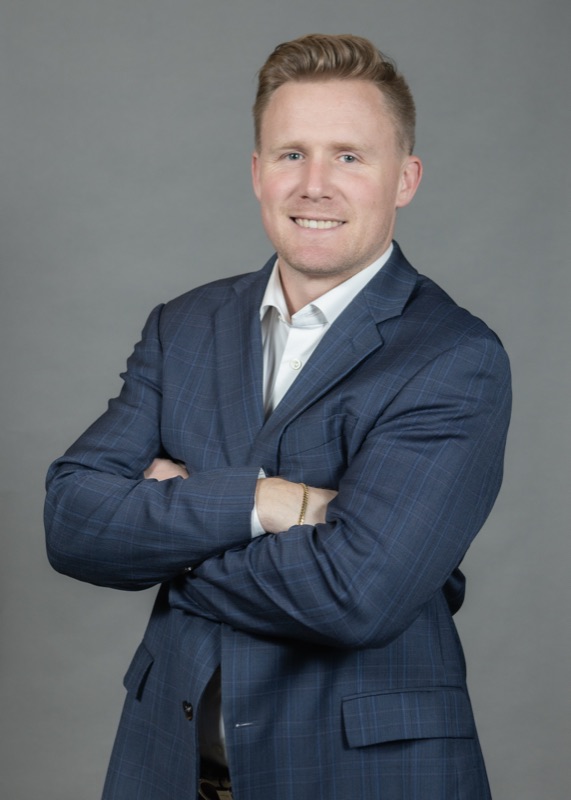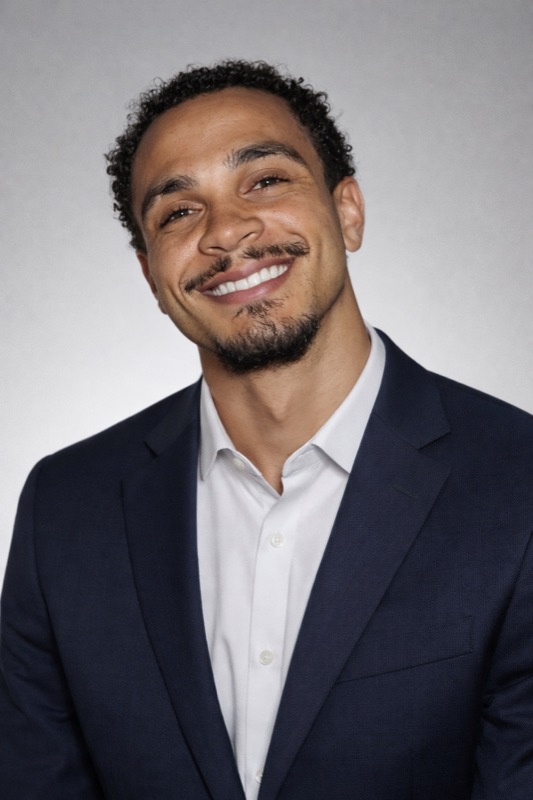
Corey JoynerCo-founderLinkedIn
About Bylaw Ledger
Your community is one of your biggest investments. You deserve a clearer record of how its money is managed.
Our beginning
Jason has studied blockchain and decentralized technology since 2017, with particular interest in secure records, programmable rules, and ways to verify financial activity. That work raised a practical question: how could a community more easily see what happened to its money and which rules informed the decision?
In 2020, while looking for a home, Corey wanted to know whether a community was financially healthy and whether his investment would be protected over the long term. He found it surprisingly hard to understand an HOA’s finances or feel confident about future costs. That experience raised a question: what if residents and buyers had a clearer way to see the financial health of a community?
In early 2026, Corey and Jason co-founded Bylaw Ledger to make HOA financial health easier to understand. Their goal is to help residents, prospective residents, community leaders, property managers, and developers see the financial information relevant to their roles and make better-informed decisions for the communities they care about.
Two paths, nine years, one question.
What guides our work
These are the principles that shape how we think about the future of community financial records. They describe what we believe the system should make possible; they are not a list of features available in Transparency Product today.
Make community financial activity easier to understand, timely to access, and grounded in a record people can follow.
Help communities translate governing requirements into consistent decision guidance and safeguards designed to stop unauthorized actions before they happen.
Keep a clear distinction between what was requested, approved, sent, settled, returned, or reconciled—and what the evidence confirms.
Connect financial activity with its budget, vendor, purpose, decision, and outcome so people can understand the context behind spending.